Beyond the Surface: Unpacking the Nuances of Lifestyle Colors
We often think of colors in terms of aesthetics – what looks good on a wall, in a wardrobe, or on a website. But have you ever considered that colors might be actively shaping our lifestyles? It’s a fascinating concept, isn’t it? The idea that the hues we surround ourselves with, or even gravitate towards, aren’t just passive choices but active contributors to how we live, perceive ourselves, and interact with the world. This isn’t about rigid rules, but a deeper dive into the subtle, often unconscious, implications of what we might call “lifestyle colors.”
What Exactly Are Lifestyle Colors?
When we talk about “lifestyles colors,” we’re moving beyond simple color preferences. It’s about the deliberate or unconscious use of color that reflects and reinforces a particular way of living, a set of values, or even aspirations. Think of the calming blues and greens associated with a minimalist, zen-inspired home, or the vibrant oranges and yellows that might punctuate a more energetic, social individual’s space. These aren’t just random selections; they can become visual identifiers of our personal narratives.
It’s interesting to note that these colors aren’t fixed. They can evolve as our lives change, our priorities shift, or as we consciously decide to embrace a new way of being. The key is the intentionality, or sometimes, the unconscious resonance between our internal state and our external chromatic environment.
The Psychology Behind Our Chromatic Choices
Colors have a profound impact on our emotions and behavior, a phenomenon extensively studied in color psychology. Certain hues evoke specific feelings: red can stimulate excitement and passion, blue often promotes calmness and stability, while yellow can bring about feelings of happiness and optimism.
When these psychological triggers align with our desired lifestyle, they can become powerful tools. For instance, someone aiming for a more productive and focused work-life balance might intentionally incorporate blues and grays into their home office. Conversely, someone seeking to inject more creativity and spontaneity into their life might lean towards richer, more saturated colors like purples or fiery reds. It’s a feedback loop: the color influences the mood, which in turn influences the behavior, reinforcing the chosen lifestyle.
How Colors Define and Refine Personal Branding
In today’s interconnected world, our personal brands – how we present ourselves to others – are increasingly important. Lifestyle colors play a significant role in this visual storytelling. Consider how certain brands or even public figures consistently use specific color palettes. This isn’t accidental. It’s a strategy to communicate a core identity.
If you’re aiming to project an image of sophistication and professionalism, you might opt for a more muted, elegant palette in your clothing, your online presence, and even your personal décor. Think deep navies, charcoal grays, or crisp whites. On the other hand, if your personal brand is about approachability and creativity, you might embrace brighter, more eclectic color combinations. This conscious use of color helps to build a cohesive and recognizable personal identity, making you more memorable and aligned with the message you wish to convey.
Practical Applications for Everyday Living
So, how can we leverage this understanding of lifestyle colors in our daily lives? It’s less about painting your entire house a specific shade and more about thoughtful integration.
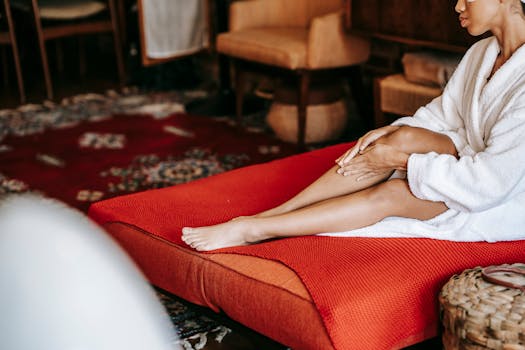
Home Environment: Consider the dominant colors in rooms where you spend significant time. If your living room is your sanctuary for relaxation, perhaps softer, calming tones would enhance that purpose. If your kitchen is where you host lively dinner parties, bolder, more energetic colors might be more fitting.
Wardrobe Choices: Beyond simply what’s “in fashion,” think about the colors in your wardrobe and what they communicate. Do your daily outfits reflect the energy you want to bring to your day? A pop of yellow in a scarf can subtly boost your mood, while a sharp navy suit projects confidence.
Digital Presence: For freelancers, entrepreneurs, or anyone with an online portfolio or social media presence, the colors used in your website, logos, and posts are crucial. They form an immediate impression and can attract or deter the audience you’re trying to reach.
The Ethical and Evolving Landscape of Lifestyle Colors
It’s important to approach the concept of lifestyle colors with a critical eye. While it can be a powerful tool for self-expression and intention-setting, we must also be mindful of not falling into restrictive stereotypes or succumbing to commercial pressures that dictate what colors “should” represent certain lifestyles. The beauty lies in personalization and evolution.
As our understanding of color science deepens and our societal norms shift, so too will the implications of lifestyle colors. What’s considered a bold, vibrant choice today might be commonplace tomorrow. The true power lies in using color as a conscious tool for self-awareness and intentional living, rather than a rigid prescription.
Wrapping Up
Ultimately, exploring “lifestyles colors” invites us to be more mindful consumers of our environment and more deliberate creators of our personal narratives. Instead of passively accepting the colors that surround us, we can actively choose hues that support the way we want to live, work, and feel. My advice? Take a moment this week to observe the colors in your immediate surroundings and in your personal choices. Ask yourself: what do these colors say about your lifestyle, and are they saying what you want* them to say?